

About Me
My name is Kyra Tench, and I am a proud graduate of the University of Central Florida, where I earned a Bachelor's Degree in Elementary Education (K-6) with endorsements in ESOL and Reading.
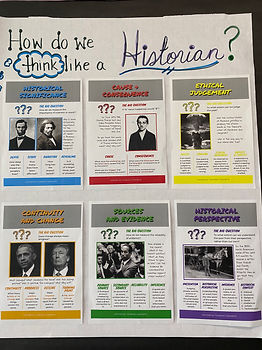
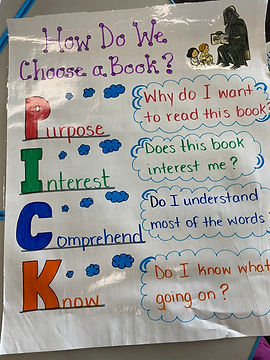
In my classroom, you will find a print-rich, engaging, and dynamic learning environment. I foster active learning through the integration of technology, thoughtfully designed anchor charts, and hands-on centers that encourage movement and collaboration. Beyond academics, my classroom is built on trust and understanding, creating a supportive space where students feel empowered to take risks, think critically, and solve problems with confidence.


![image[12].jpeg](https://static.wixstatic.com/media/a9a686_4cc08055f5f54f56a92d38c0a8fe0866.jpeg/v1/fill/w_480,h_640,al_c,q_80,enc_avif,quality_auto/a9a686_4cc08055f5f54f56a92d38c0a8fe0866.jpeg)
On this page, you will find a sample of the slides I use for subject area instruction. These slides serve as a guide to pace my lessons, provide visual support, and incorporate Kagan practices to make content more engaging and meaningful for all students. Each week, I design subject-specific lesson slides to facilitate instruction and enhance student understanding.
Every lesson begins with a focus question or objective that students work toward, and we conclude with an exit ticket, self-assessment, or formal/informal evaluation. These slides not only help structure the lesson but also create an engaging, visually rich experience that supports comprehension in a creative way. Through this resource, I differentiate instruction by providing sentence stems, center explanations, and key reminders tailored to student needs.
At the bottom of this page, you will find a sample of my classroom data.
Sample Subject Slides
I did not create this one myself, but it is still an example of the material I utilize for instruction.
Virtual Learning
These last two samples are slideshows that I created for Virtual Learning.
The video lessons say "do not exist" because that is where we would meet virtually to discuss the content and student faces could not be shown on this site.
Self-Made Anchor Charts






Data-Driven Interventions
At our school, Response to Intervention (RTI) follows a multi-tiered system designed to identify and support students early based on their academic and behavioral needs.
Students undergo universal assessments in the classroom to pinpoint specific skills that may require improvement. Using this data, I provide targeted instruction to individual students or small groups, gradually increasing the intensity of support to maximize their learning progress. Their interventions are closely monitored, and performance data is continuously analyzed to determine their next achievable skill.
I believe the success of my interventions is not only a result of carefully collected instructional data but also due to my students’ strong self-awareness of their goals and learning needs. Together, we consistently collect, record, and interpret their data so they understand their current progress and can accurately project their next steps. Each student receives a personalized data-tracking folder at the beginning of the year, where they take ownership of recording their progress. We meet regularly to review and analyze their learning on an individual basis. This approach fosters confidence, accountability, and a strong sense of ownership over their educational journey.
Student BOY- EOY


